
"A catastrophe": the Major's new sticker system is suffocating the CS scene
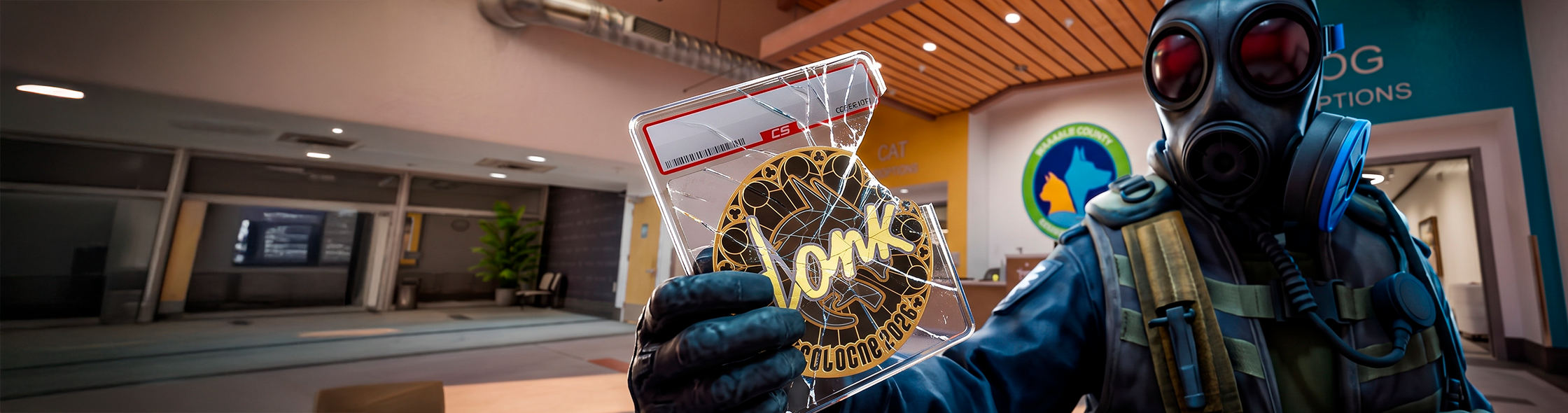
The IEM Cologne Major was a resounding success with fans and shattered viewership records. Behind the scenes, though, the story is very different. An extensive report published by HLTV, written by Luis Mira, has exposed the real impact of Valve's new sticker system on organizations: collapsed figures, contracts in limbo, and a tier 2 wondering whether it's worth carrying on.
The numbers behind the collapse
The figures HLTV gathered speak for themselves. A team eliminated in Stage 1 of the Major reported earning around $60,000 from item sales (roughly $120,000 counting the share that went directly to players under the new 50-50 split). For context: at the Budapest Major, Contender-tier capsules generated around $600,000 per team, before splitting anything with players. A Stage 2 organization reported just over $120,000 from Cologne.
And the bleeding continues: a month on from the final, with still no sign of the post-Major sale that historically drove revenue, one Stage 1 team told HLTV it's earning about $100 a day.
"This is a catastrophe for the CS scene," that same organization said.
What exactly changed
Ahead of Cologne, Valve scrapped the capsule system: instead of buying randomized packs, fans purchased tokens to redeem the specific stickers they wanted, with dynamic pricing that rose with demand. The company shared 50% of the revenue generated by the Major shop and Major pass: 5% to the tournament organizer, and the remaining 45% distributed among the 32 teams based on their VRS standing and Major performance. It also imposed an automatic 50-50 split between each team and its players — something previously negotiated contract by contract.
The side effect was immediate: dynamic pricing sent the cost of the most desirable items soaring and pushed the average fan out of the market, where they used to spend a few dollars for the thrill of opening capsules. Global trade volume for Major items plummeted.
The stories behind the numbers
SINNERS' case is the most illustrative. The Czech organization qualified for its first Major after more than six years in the project, taking the last European spot. It was meant to be the moment they leveled up and finally balanced the books after years in the red. Co-founder Moritz "Askadar" Straube says the euphoria evaporated the moment he saw the new terms: he knew instantly it was going to be a disaster. He estimates SINNERS spent between $25,000 and $35,000 on flights and hotels alone in Q1 2026 chasing qualification, expecting to make it all back at the Major. They won't.
Another Stage 1 organization invested heavily in a player transfer counting on stickers to recoup it. That expectation, they told HLTV, has collapsed entirely: previously you could build around that revenue, invest in infrastructure, develop young talent, and sustain higher salaries; that opportunity has largely disappeared.
The mandatory 50-50 split has also opened a contractual can of worms. Graham "messioso" Pitt, 100 Thieves' Head of Operations, warned in May that cases will run both ways: teams asking players to hand money back, and players demanding their cut from clubs.
Tier 2 on the tightrope
The most serious consequence points to the base of the pyramid. On June 22, Gaimin Gladiators shut down its CS division, expressly citing recent changes to the Major ecosystem and revenue structure. The fear is it won't be the last.
Askadar's reflection sums up tier 2's mood: the question everyone must ask is whether they want to stay in an ecosystem where the biggest achievable goal is simply another tournament — because if there's no financial upside at the other end, the point evaporates. As another organization put it, stickers were what kept the dream alive: the carrot that justified years of investment.
Daniel "Vorborg" Vorborg, co-founder of agency UNCORE, adds an interesting nuance about the new performance-based split: previously, being the worst team at the Major while paying the lowest salaries was an enviable position; that's no longer the case, and while rewarding the best isn't bad in itself, it removes much of the incentive that pushed tier 2 and 3 organizations to invest in trying to get there. The uncertainty is such that his agency is already negotiating contracts covering two scenarios: the system staying as is, or reverting to something like the old one.
What now?
Many of those HLTV spoke to hope Valve will be forced to revise the system before the Singapore Major — if only because its own revenue has also taken a significant hit. But a return to capsules looks unlikely: the company faces mounting legal and regulatory scrutiny over loot boxes, and when announcing the Cologne stickers it justified the change by noting feedback that players might prefer buying directly, and that fans in certain regions couldn't purchase capsules at all.
The report also leaves a deeper reflection hanging: how sticker money came to be treated as a guarantee rather than a bonus, inflating salaries and transfer fees to disproportionate levels. Whatever the fix, the risk is clear: without a healthy tier 2, Counter-Strike loses its talent pipeline and its geographic diversity — and more than one organization is already glancing nervously at what happened to the Dota scene.
Source: Luis Mira's report for HLTV.